Ferret Alpha 2: expanding where one robot can go
Ferret Alpha 2 takes a significant step towards our goal of universal autonomous pipe navigation, extending the platform’s capabilities across small pipes, larger assets and the transitions between them. Alongside those advances, we’ve been developing the Basestation that brings the whole system together for the crew above ground.
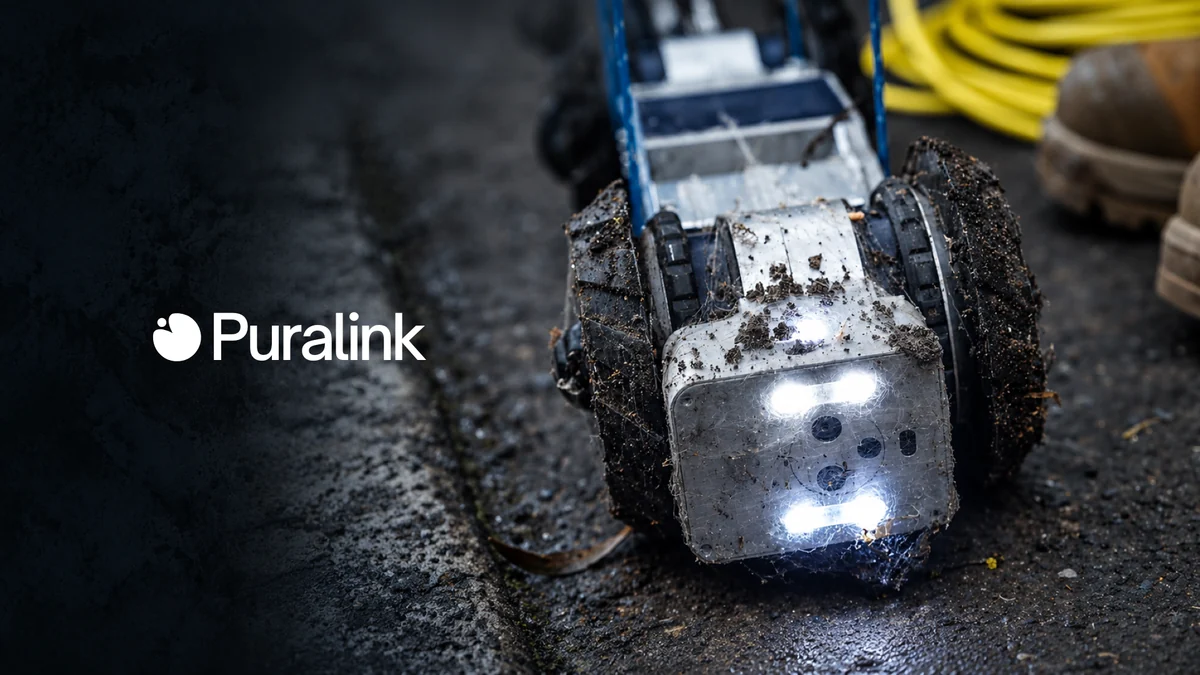
One of our earliest engineering challenges came from the way the Ferret moves. Using the surrounding pipe walls for traction helps it negotiate tight spaces, corners and vertical sections. But when that same robot enters a manhole or a much larger pipe, those walls are suddenly out of reach.
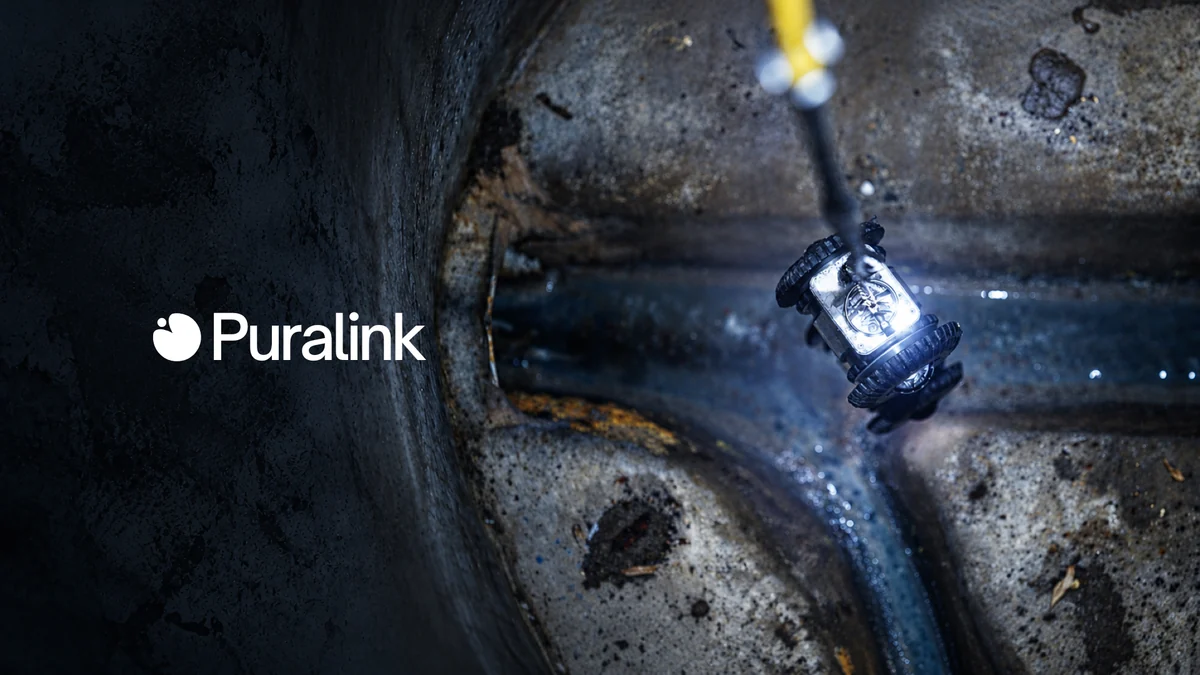
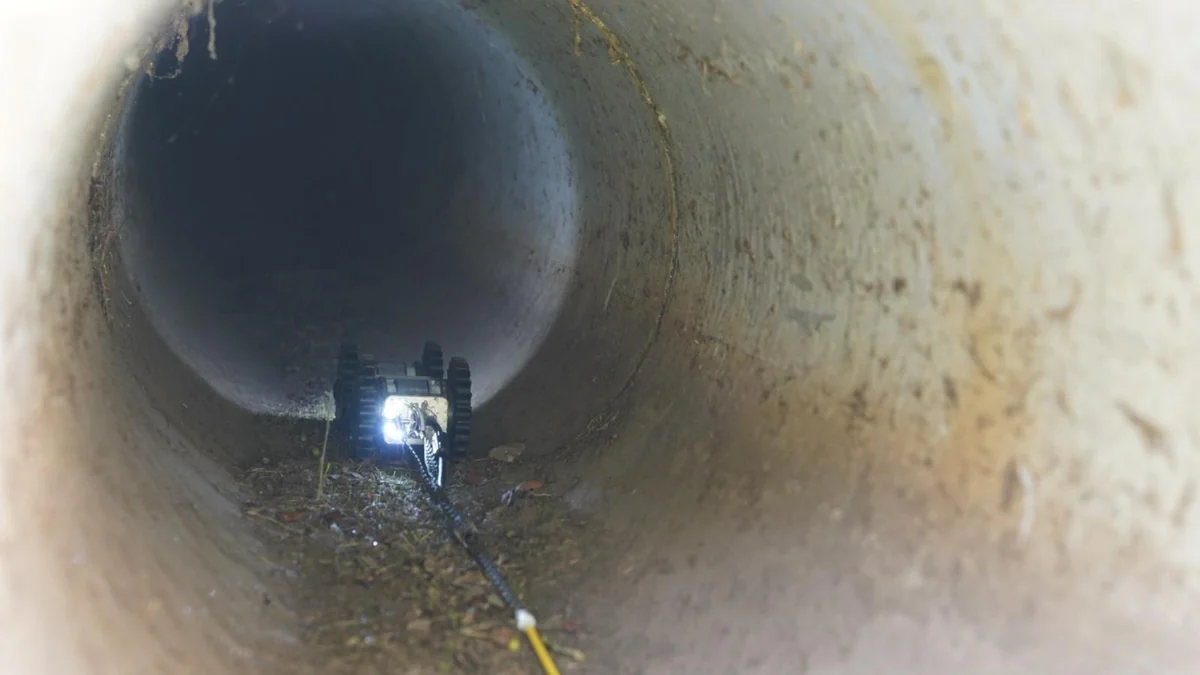
Alpha 2 addresses this through our swerve drive mechanism. The wheels used to turn the robot within smaller pipes also enable it to travel along the bottom of larger assets in crawler mode. We’ve now deployed the Ferret in pipes as large as 1.5 metres in diameter, broadening the range of environments a single platform can access. See the navigation update.
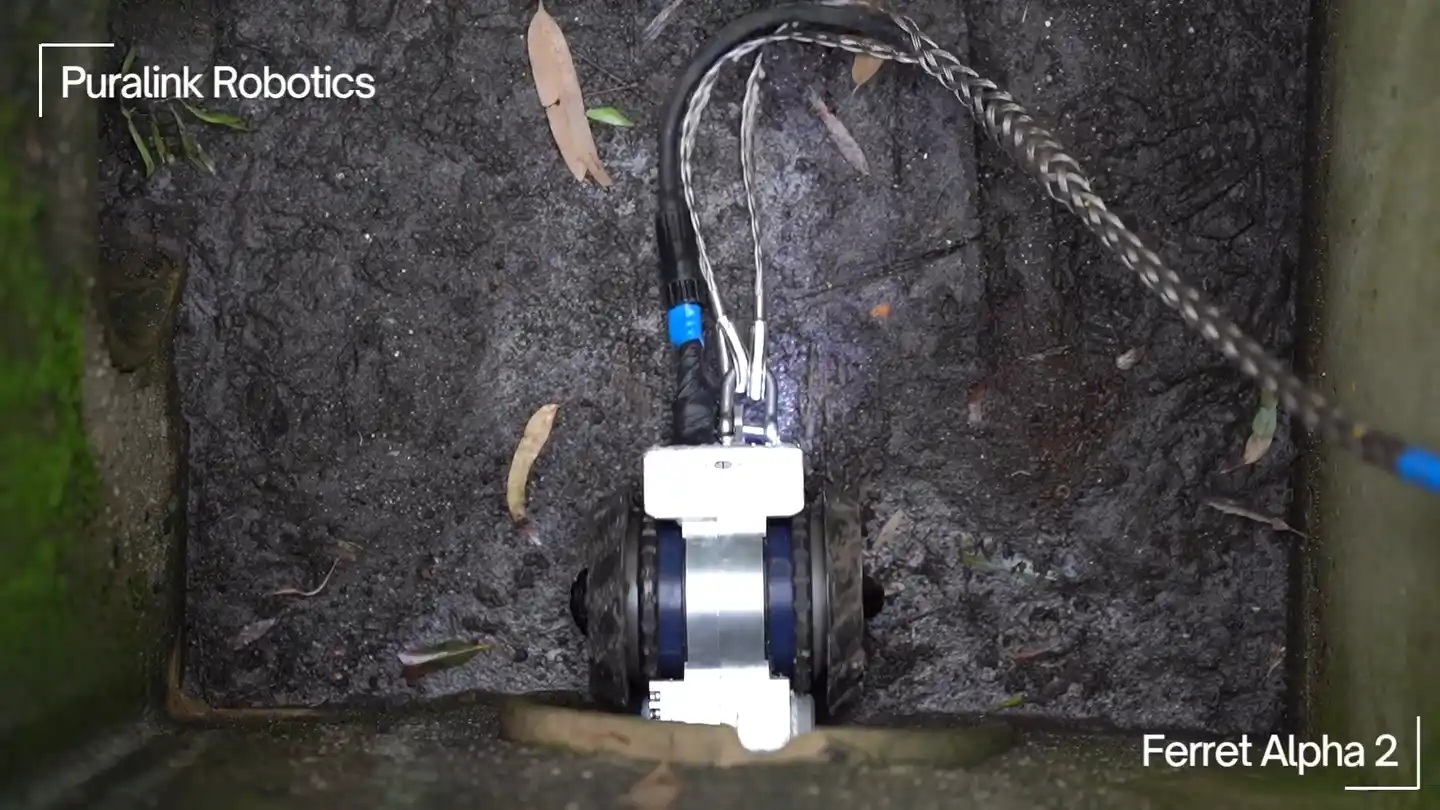
Our initial Alpha 2 deployments took the team across Victoria and NSW. In Bendigo, we worked with Pipe Doctor Australia on autonomy in larger wastewater assets. In Melbourne, Service Stream helped us test the robot in live sewer conditions, including flow, roots and debris. Back in Sydney, trials with Watertight Group explored smaller pipes, wheel configurations, bends and manhole transitions.
Together, these deployments collected data across hundreds of metres of infrastructure and helped us understand how the system behaves outside controlled testing. Read the field update.
With the Ferret inside a pipe, the operator’s experience happens above ground. That’s where the Basestation comes in. It needs to make interacting with the robot straightforward and conducting an inspection as easy as possible.
Our newly developed Basestation brings together autonomous navigation, real-time monitoring of Ferret system health and cloud data syncing. These capabilities give crews a way to interact with the robot, understand how it is performing and move inspection data beyond the site.
We brought the Ferret and Basestation onsite with Service Stream, Pipe Doctor Australia and Reliable Plumbing Services Australia to put the combined system through its paces. Testing both together helps us improve the full inspection experience, from operating the robot to collecting information the crew can use. See the Basestation field update.
That feedback is essential. Each deployment gives us new evidence about what works, where the limits are and what needs to improve.
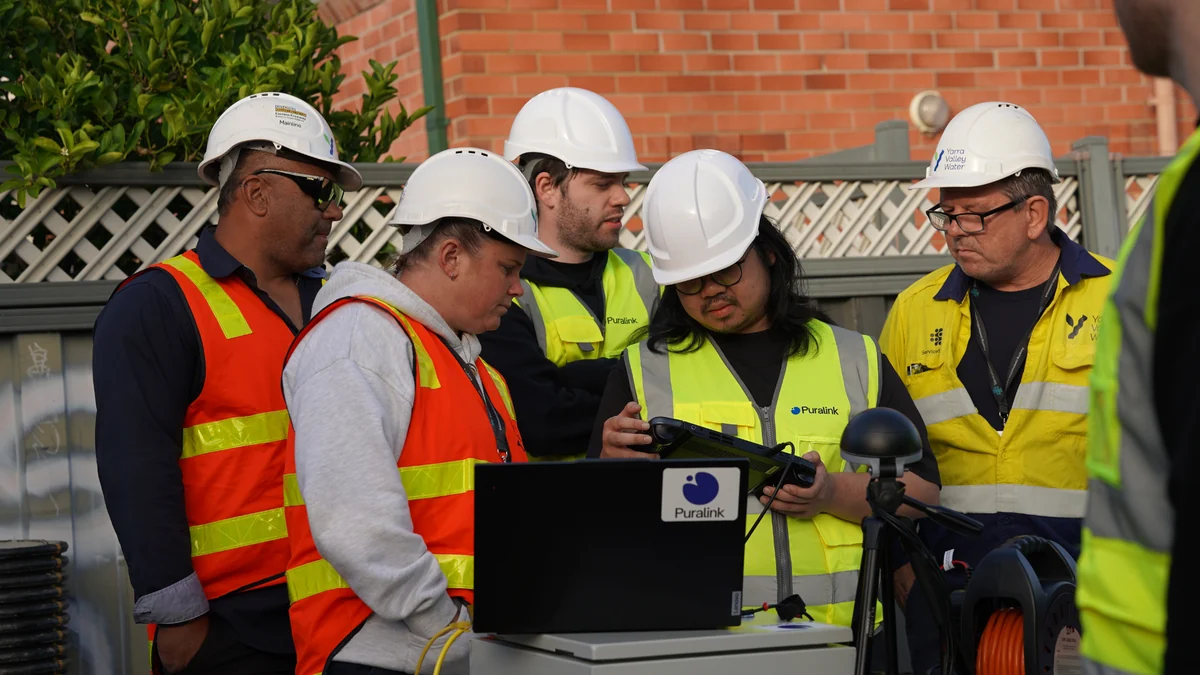
Massive thanks to our design partners for opening their sites and sharing their expertise, and to the Puralink team for the work behind Alpha 2. We’re taking those lessons straight into the next iteration.